
Think all travel cards are the same?
They’re not. Visa travel reward cards often win on worldwide acceptance, flexible points, and travel protections that actually matter.
In this guide I cut through the hype to show the best Visa options for real people: biggest signup bonuses, the simplest flat-rate earners, the no-fee starter, and premium cards for frequent flyers who value lounges and primary rental coverage.
Chase and Capital One mostly lead, with Bank of America and Atmos filling niche spots. Read on to find which Visa fits your trip style.
Best Visa Travel Rewards Credit Cards (Top Picks Immediately)

The best Visa travel rewards cards give you flexible earning, worldwide acceptance, and actual travel protections that matter. Chase and Capital One own this space. The Chase Sapphire Preferred® Card earns 5x on Chase Travel, 3x on dining and streaming, 2x on other travel, with a 75,000-point bonus after you spend $5,000 in three months. Annual fee is $95. The Capital One Venture Rewards Credit Card pays 2x miles on everything and 5x on hotels, vacation rentals, and rental cars when you book through Capital One Travel. Right now it’s throwing in a $250 travel credit plus 75,000 miles after $4,000 in three months. Both sit on the Visa network, carry $95 annual fees, and don’t charge foreign transaction fees.
Bank of America and regional credit unions fill out the Visa travel field. The Bank of America Travel Rewards card costs $0 annually and pays 1.5x on all purchases. Simple starter option. For Alaska and Hawaiian loyalty, the Atmos™ Rewards Ascent Visa Signature® earns at least 1 point per dollar everywhere and delivers elevated rates on partner airlines. Premium travelers choosing Visa often look at the Atmos™ Rewards Summit Visa Infinite®. That one adds eight Alaska lounge passes annually (two per quarter for cardholder plus companion), up to $120 Global Entry or TSA PreCheck credit every four years, no foreign transaction fees, and 10,000 status points every account anniversary. Plus 1 status point per $2 spent.
Quick comparison of top Visa travel rewards cards:
- Capital One Venture Rewards – 2x on all purchases, 5x via Capital One Travel; current offer adds $250 travel credit year one; $95 annual fee
- Chase Sapphire Preferred® – 5x Chase Travel, 3x dining/streaming, 2x other travel; 75,000-point bonus after $5,000; $95 annual fee
- Bank of America Travel Rewards – 1.5x on everything; $0 annual fee; 20,000–25,000 point bonuses vary
- Atmos™ Rewards Ascent Visa Signature® – Elevated earn on Alaska/Hawaiian; no foreign transaction fees; $95 annual fee
- Atmos™ Rewards Summit Visa Infinite® – 8 Alaska lounge passes/year, Global Entry/TSA PreCheck credit, 10,000 anniversary bonus points; premium annual fee
Beginners looking for low-fee simplicity fit best with the Bank of America Travel Rewards. No fee, flat 1.5x. Or the $95-tier Capital One Venture if you want 2x everywhere. Frequent travelers who value transfer partners or bonus categories lean toward Chase Sapphire Preferred. Alaska and Hawaiian flyers get the most from the Atmos Summit Visa Infinite. Lounge access and status acceleration justify the premium fee only if you fly those carriers six or more times per year.
Earning Rates and Point Multipliers Explained

Most Visa travel rewards cards pay a base rate of 1x to 2x points or miles on all purchases. The base rate applies to everyday spending. Groceries, utilities, subscriptions, anything that falls outside bonus categories. Cards with a 2x base (Capital One Venture, for example) double the earning speed across all spend. That makes them simple choices for users who don’t want to track categories.
Bonus categories lift earning to 3x, 4x, 5x, or even 10x in specific spending buckets. Chase Sapphire Preferred pays 3x on dining, select streaming services, and online grocery purchases, plus 5x when you book travel through the Chase portal. Capital One Venture X Business goes to 10x on hotels and rental cars and 5x on flights and vacation rentals when booked via Capital One Business Travel. Premium cards often lock the highest multipliers behind issuer travel portals. You’ll earn more only if you book through the bank’s site.
Typical elevated-earning categories on Visa travel cards:
- Travel – Flights, hotels, car rentals, and vacation packages (3x–10x depending on card and booking channel)
- Dining – Restaurants worldwide, takeout, and eligible food delivery (2x–4x)
- Streaming and online subscriptions – Entertainment and digital services (3x on select cards)
- Gas and transit – Fuel stations and public transportation (some cards offer 2x–3x in limited tiers)
Cards that cap bonus earning deliver strong returns only up to a threshold. The American Express® Gold Card pays 4x on U.S. restaurant purchases up to $50,000 per year and 4x on U.S. supermarkets up to $25,000 per year. After that, both categories drop to 1x. Business cards like the American Express Business Gold cap 4x earning at $150,000 annually across your top two categories per billing cycle. If your annual spending exceeds those limits, a flat 2x card can outperform a capped 4x card.
High spenders and frequent travelers benefit most from uncapped bonus categories or very high caps. Occasional users and budget travelers do fine with simple 1.5x–2x flat-rate cards that never require category management.
Travel Perks and Protections Available on Visa Travel Rewards Cards

Visa travel rewards cards bundle financial protections and convenience features that reduce trip costs and hassle. Trip delay reimbursement covers meals and lodging if your common carrier is delayed more than a set number of hours, typically six or twelve. Lost luggage coverage reimburses you for the depreciated value of checked bags that disappear. Rental car collision damage waiver acts as primary or secondary insurance when you decline the rental counter coverage, paying for vehicle damage or theft up to the car’s actual cash value. Travel accident insurance provides a lump sum or medical coverage if you’re injured or killed while traveling on a common carrier ticket purchased with the card.
Visa Signature and Visa Infinite tiers add distinct benefit layers. Visa Signature cards (like the Chase Sapphire Preferred® and PenFed Pathfinder® Rewards Visa Signature®) typically include trip cancellation and interruption insurance, emergency assistance services, and rental car coverage. Visa Infinite cards (Capital One Venture X, Atmos™ Rewards Summit Visa Infinite®, Chase Sapphire Reserve®) upgrade those protections. Higher reimbursement caps, concierge services, and access to premium lounge networks.
The Atmos Summit Visa Infinite includes eight Alaska lounge day passes per year (two per calendar quarter for cardholder plus one companion) and a Global Entry or TSA PreCheck application-fee credit up to $120 every four years. Chase Sapphire Reserve adds Priority Pass lounge access (unlimited visits for the primary cardholder) and a $300 annual travel credit that automatically offsets eligible travel purchases.
| Perk | Typical Coverage Level | Card Tier |
|---|---|---|
| Trip delay reimbursement | $500 per ticket after 6–12 hour delay | Visa Signature, Visa Infinite |
| Rental car collision damage waiver | Up to actual cash value of vehicle | Visa Signature (secondary), Visa Infinite (primary) |
| Lost luggage reimbursement | $3,000 per passenger typical cap | Visa Signature, Visa Infinite |
| Travel accident insurance | $100,000–$1,000,000 depending on card | Visa Signature, Visa Infinite |
Premium Visa Infinite cards justify higher annual fees by stacking lounge access, application-fee credits, and higher insurance caps. If you travel internationally more than twice a year or rent cars frequently, primary rental coverage alone can save $15–$30 per rental day.
Visa Signature cards deliver solid baseline protections at lower annual fees ($0–$95). That makes them cost-effective for moderate travelers who want peace of mind without paying $300+ annually. Always check your card’s specific benefit guide. Coverage details, claim procedures, and exclusions vary by issuer even within the same Visa tier.
Signup Bonuses and Minimum Spend Requirements

Signup bonuses on Visa travel rewards cards range from 20,000 points on no-fee starter cards to 75,000 points or more on premium offerings. The Capital One Venture Rewards limited-time offer awards 75,000 bonus miles after you spend $4,000 in the first three months, valued at roughly $750–$1,000 in travel redemptions. Chase Sapphire Preferred® matches that with 75,000 bonus points after $5,000 spend in three months. Mid-tier and no-annual-fee cards typically offer 20,000–60,000 points with lower spend hurdles. $500 to $3,000 in three months.
Business cards and premium consumer cards push spend requirements higher to filter for serious applicants. The Capital One Venture X Business card requires $30,000 in spend within three months to unlock its 150,000-mile bonus. That threshold is realistic only for businesses or heavy personal spenders. American Express® Gold Card asks for $6,000 in six months for up to 100,000 Membership Rewards®, and the American Express Platinum Card® sets a $12,000 spend bar over six months for up to 175,000 points. Visa-branded cards generally cluster in the $3,000–$5,000 range for three-month windows, balancing accessibility with meaningful bonus value.
Common minimum spend thresholds and timelines for Visa travel card bonuses:
- $500–$1,000 in three months – Entry-level and no-fee cards; bonuses typically 15,000–25,000 points
- $3,000–$4,000 in three months – Mid-tier travel cards ($95 annual fee); bonuses often 50,000–75,000 points
- $5,000–$6,000 in three to six months – Premium consumer cards; bonuses 60,000–100,000 points
- $12,000–$30,000 in three to six months – Ultra-premium and business cards; bonuses 100,000–175,000 points
Time your application around a big planned expense. Property tax, insurance premium, home repair. That way you hit the spend threshold naturally without manufactured spending or carrying a balance. The bonus clock starts the day your account opens, not the day you receive the card in the mail, so activate and use the card immediately. Missing the deadline forfeits the entire bonus. If the required spend feels uncomfortably high, choose a card with a lower threshold or wait until your spending pattern aligns with the offer.
Best Visa Travel Rewards Cards for Different Traveler Types

Beginners and occasional travelers should prioritize no-annual-fee cards with simple earning structures. The Bank of America Travel Rewards card pays 1.5x points on every purchase, charges $0 annually, and skips foreign transaction fees. Ideal if you take one or two international trips per year and want rewards without fee math. Capital One VentureOne Rewards offers similar simplicity with flat-rate miles and no annual fee, though earning rates sit slightly lower than mid-tier cards.
International travelers need cards that eliminate foreign transaction fees and provide global acceptance. Visa’s network reaches more than 200 countries and territories, but the card’s specific benefits matter more than the logo. The Atmos™ Rewards Ascent Visa Signature® and Atmos™ Rewards Summit Visa Infinite® both waive foreign transaction fees. The Summit tier adds eight Alaska lounge passes per year (useful for connections through Seattle, Portland, or Anchorage) plus up to $120 Global Entry or TSA PreCheck credit every four years. Chase Sapphire Preferred® and Capital One Venture Rewards also skip foreign fees and deliver 2x–3x earnings on travel and dining abroad, making them strong picks for frequent overseas trips.
Ideal Visa travel cards by traveler profile:
- Beginners and infrequent travelers – Bank of America Travel Rewards or Capital One VentureOne; $0 fee, 1.5x–2x earning, no foreign transaction fees
- International travelers (4+ trips/year) – Chase Sapphire Preferred®, Capital One Venture Rewards, or Atmos Summit Visa Infinite; all waive foreign fees and offer bonus categories or lounge perks
- High-spending frequent flyers – Capital One Venture X Business (10x/5x via portal, $300 annual credit, 1,300+ lounges) or Chase Sapphire Reserve® (3x travel/dining, Priority Pass, $300 travel credit); annual fees $395–$550 justified by credits and lounge access
Frequent flyers who concentrate spending on a single airline or hotel chain often do better with a co-branded card. The United℠ Explorer Card (Chase Visa) offers a free checked bag for cardholder and one companion on United-operated flights, priority boarding, and two one-time United Club passes. Perks that quickly offset the $95 annual fee if you fly United six or more segments per year.
Marriott Bonvoy Boundless® Credit Card awards an annual free night (up to 35,000 points) and earns bonus points on Marriott stays plus gas, grocery, and dining up to $6,000 combined. That makes it a $95 value play for regular Marriott guests. High spenders seeking maximum flexibility lean toward general travel Visa cards with transferable points (Chase Ultimate Rewards, Capital One miles) that allow 1:1 transfers to a dozen or more airline and hotel partners. Useful when award availability shifts or you change loyalty programs.
Redeeming Travel Rewards: How to Maximize Value
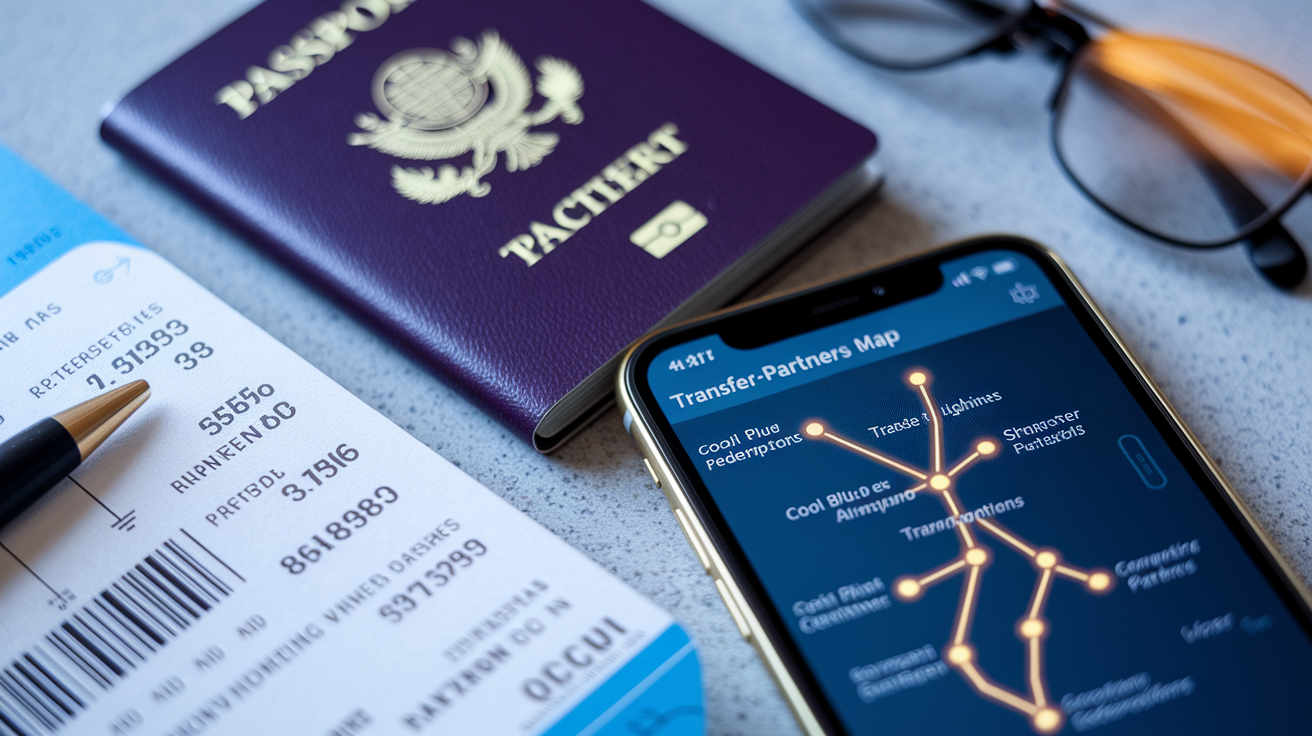
Travel rewards can be redeemed through issuer travel portals, as statement credits against eligible travel purchases, or by transferring points to airline and hotel loyalty programs. Portal redemptions typically value points at 1.0 to 1.5 cents each. Capital One miles redeem at 1 cent per mile as a statement credit for any travel charge or via the Capital One Travel portal, where you can sometimes find slight discounts. Chase Sapphire Preferred® boosts portal redemptions to 1.25 cents per point. Chase Sapphire Reserve® lifts that to 1.5 cents per point when you book through Chase Travel.
Transfer partners unlock higher value but require more effort. Chase Ultimate Rewards points transfer 1:1 to partners including United, Southwest, World of Hyatt, and several international carriers. Capital One transfers miles to 15+ partners. If you find a business-class award ticket that costs 70,000 miles and would cost $3,500 in cash, you’re getting 5 cents per point. Far better than the 1.25-cent portal rate. The catch: award availability fluctuates, transfer times range from instant to a few days, and you need to learn each partner’s award chart and booking rules.
Four strategies to maximize travel reward redemptions:
- Compare portal price vs. cash price before booking – If the portal charges the same or more than booking direct, use points only if the redemption rate exceeds 1 cent per point
- Save points for high-value international premium-cabin awards – Business and first-class tickets often deliver 2–5+ cents per point when redeemed through transfer partners
- Use statement credits for small or last-minute purchases – If you need to book a $200 hotel tonight and the portal shows $210, redeem 20,000 miles as a statement credit at 1 cent each and book direct to earn hotel loyalty points
- Stack annual travel credits with points – Pay with your premium card to trigger the automatic travel credit, then redeem points for the remainder to double-dip value
Portal redemption works best for domestic economy flights and mid-tier hotels where cash prices and award prices align closely. Transfer partners shine when you’re booking expensive international flights, premium cabins, or award stays at luxury properties during peak season. If you value simplicity and want to avoid learning airline award charts, stick with portal or statement-credit redemptions and accept the 1.0–1.5 cent baseline.
If you’re willing to invest a few hours researching partner sweet spots, transferable Visa cards (Chase, Capital One) can deliver two to five times more value per point than fixed-rate cash-back cards.
Application Tips and Approval Considerations

Most Visa travel rewards cards require good to excellent credit, defined as a FICO® Score of roughly 680 or higher. Premium cards (annual fees $300+) and large signup bonuses typically demand scores above 720–750. Issuers evaluate more than your score. Recent credit inquiries, number of new accounts in the past 24 months, income, existing relationship with the bank, and total available credit all influence approval odds.
Chase enforces a widely known rule called 5/24: if you’ve opened five or more credit card accounts (from any issuer) in the past 24 months, Chase will deny your application for most of its consumer rewards cards, including Sapphire Preferred and Sapphire Reserve. Capital One uses a different underwriting model that weighs recent inquiries and existing Capital One accounts but has no published hard rule like 5/24. Credit unions issuing Visa travel cards (PenFed, Atmos) often require membership before you apply, and some offer slightly more flexible approval standards if you hold deposits or loans with the institution.
Three key factors that affect Visa travel card approval:
- Credit score and recent history – Aim for 700+ for mid-tier cards, 750+ for premium cards; multiple recent inquiries or new accounts lower odds
- Issuer-specific rules – Chase 5/24 is the best known; some issuers limit approvals if you received a signup bonus on the same card within 24–48 months
- Income and debt-to-income ratio – Higher income increases approval odds and initial credit limit; carrying high balances on existing cards signals risk to underwriters
Apply only when your credit profile is strong and you haven’t opened multiple cards in recent months. If you’re targeting a Chase card and you’re at 4/24, wait to apply for any other card until after you’re approved for the Chase product. Business cards often report to personal credit bureaus but may not count toward 5/24 if issued by certain banks. Check current data points before assuming.
Denials hurt your credit score via the hard inquiry and waste time. A realistic self-assessment using your actual FICO score and recent account-opening history will save you frustration and preserve your approval odds for the card you actually want.
Final Words
You got the top Visa travel rewards cards up front, plus a quick comparison of issuers (Chase, Bank of America, Capital One), reward rates (1.5x–5x), common fees ($0–$95), and Visa perks like travel protection and global acceptance.
We explained earning multipliers, signup bonuses (20k–75k), redemption choices, and approval tips so you can match a card to your habits—beginners, frequent flyers, or international travelers.
If you pick based on spending and travel style, travel reward visa credit cards can cut costs and boost value. Travel smarter and enjoy the trips ahead.
FAQ
Q: What’s the best travel rewards credit card? Who offers the best travel rewards credit card?
A: The best travel rewards credit card depends on your spending and travel goals; top issuers are Chase, Capital One, and Bank of America, with typical rewards of 1.5x–5x and fees usually $0–$95.
Q: Which Visa credit card is best for travel? What is the best Visa Rewards credit card?
A: The best Visa travel rewards card depends on needs; leading Visa cards offer 3x–5x on travel or dining, Visa Signature/Infinite protections like trip delay, and fees commonly range $0–$95.
