
Think you’re squeezing every mile out of your credit cards?
Chances are you’re leaving points on the table.
This guide slices past the hype and uses the numbers that matter, annual fee, earning rates, statement credits, and lounge access, to name the top travel reward credit cards that maximize your miles.
We show who should pick low-fee flexible earners, mid-tier category boosters, or premium cards with big credits, so you can choose the card that actually pays off for your trips.
Fast Comparison Overview of Today’s Best Travel Reward Credit Cards
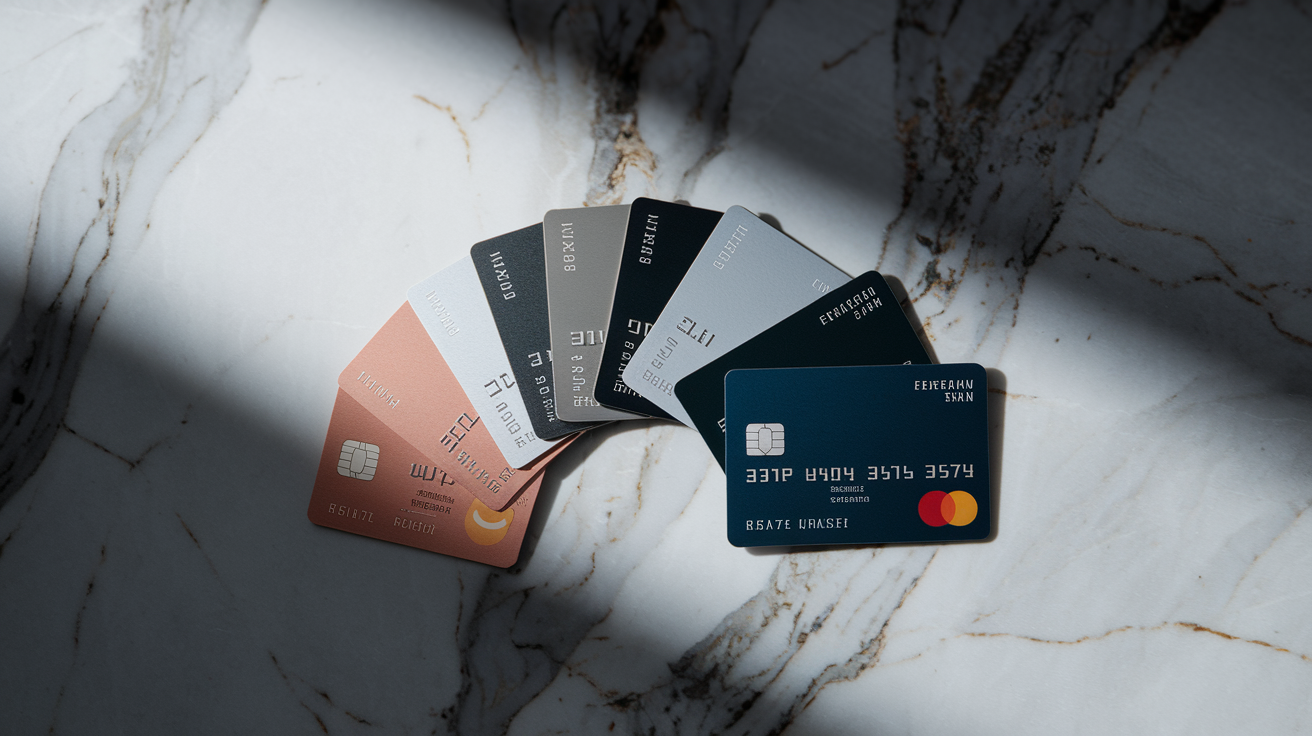
If you’re trying to pick a travel rewards card, you need the real numbers. No marketing fluff. The best cards split into three buckets: low-fee flexible earners for people just getting started, mid-tier cards with strong category bonuses that don’t hammer you on annual fees, and premium cards that stack lounge access and statement credits to justify fees that can hit $695.
The table below shows eight cards our team actually uses. We’re talking about the numbers that matter: annual fee, earning rates, credits, lounge access, and who each card is actually built for.
| Card | Annual Fee | Key Earn Rates | Major Credits | Lounge Access | Ideal User |
|---|---|---|---|---|---|
| American Express Gold Card | $325 | 4x dining & supermarkets (up to $50k/year) | None listed | No | Heavy restaurant & grocery spenders |
| JetBlue Plus Card | $99 | 6x JetBlue purchases | Free checked bag; 50% off inflight purchases | No | JetBlue loyalists; domestic award seekers |
| Chase Sapphire Reserve | Not listed; includes $300 travel credit | 3x travel & dining | $300 annual travel credit; Lyft Pink | Priority Pass | Frequent travelers using lounges |
| The Platinum Card from American Express | $695 | 5x flights & Amex Travel hotels | $600 FHR, $200 airline incidental, $200 Uber, $189 CLEAR, $100 Saks, plus more | Centurion Lounges; Priority Pass; Delta Sky Club (rules changing) | Road warriors who use many credits & lounges |
| American Express Green Card | $150 | 3x dining & transportation (broad definition) | $189 CLEAR credit; $100 LoungeBuddy credit | Via LoungeBuddy credit | Lower-fee Amex earners offsetting cost via credits |
| Chase Sapphire Preferred | Lower tier (not specified; known to be entry-level) | 3x dining; 2x travel | $50 annual hotel credit | No | First travel card; moderate spenders |
| Capital One Venture Rewards | $95 | 2x all purchases; 5x hotels & cars via Capital One Travel | Up to $100 TSA PreCheck/Global Entry | Two annual visits to Capital One or partner lounges | Simple flat-rate earners |
| United Quest Card | $250 | Not specified in summary | $125 United purchase credit; free checked bags (2 bags worth ~$140+ savings per trip) | No | United flyers who check bags regularly |
Deep Dive Into the Leading Travel Rewards Cards and Their Perks

Each card here solves a different problem. The right one depends on whether you’re flying the same airline constantly, eating out most nights, or just want the simplest possible 2x on everything. Here’s what each one actually does.
American Express Gold Card
Annual fee is $325. You’re earning 4 Membership Rewards points per dollar at restaurants and U.S. supermarkets, but there’s a cap at $50,000 in annual supermarket spend. People use this card to pile up points for long-haul award tickets by running all groceries and dining through it. If those two categories make up most of your spending, this becomes your primary everyday card.
JetBlue Plus Card
Annual fee is $99. You get 6x points on JetBlue purchases, a free checked bag on every JetBlue flight, and 50% off in-flight purchases. The free bag alone saves you $70 round trip, which covers most of the annual fee in two trips. This card is for people who fly JetBlue domestically and want to build award flights faster.
Chase Sapphire Reserve
There’s a $300 annual travel credit that applies automatically to travel purchases, plus Lyft Pink access (free Citi Bike rides included) and Priority Pass lounge entry. If you’re a frequent traveler who values lounge access and wants a big recurring credit to offset the fee, this is the card. You earn 3x points on travel and dining.
The Platinum Card from American Express
Annual fee is $695. The welcome offer can hit 175,000 Membership Rewards points. You get unlimited access to Centurion Lounges, hotel perks and credits when booking through Amex, and a long list of statement credits: $600 for Fine Hotels + Resorts, $200 for airline incidentals, $200 in Uber Cash, $189 for CLEAR Plus, $100 for Saks, $120 for Uber One, $400 for RESY, $300 for lululemon, $200 for an Oura Ring, and $100 for Global Entry or TSA PreCheck every four years. Delta Sky Club access rules are changing soon to limit visits per year and to block entry when you book Basic Economy. If you fly often and actually use the credits, people report saving over $2,200 a year, making the $695 fee a net gain.
American Express Green Card
Annual fee is $150. You receive a $189 annual statement credit for CLEAR membership and a $100 credit toward lounge access via LoungeBuddy. The card earns 3 Membership Rewards points per dollar on dining and transportation. Transportation is defined broadly: airfare, hotels, cruises, car rentals, trains, taxis, rideshares, parking, and subways. It also includes trip delay and baggage insurance. This is the lower-fee Amex option that pays for itself via credits if you use CLEAR and occasionally buy lounge day passes.
Chase Sapphire Preferred
This is the entry card for transferable travel points in the Chase family. It earns 3x points on dining and 2x on travel, and it gives you a $50 hotel credit once per year on your card anniversary. Points transfer at a 1:1 ratio to partners like JetBlue, Southwest Airlines, and Marriott. The annual fee is much lower than the Reserve, making this the best starting point for moderate travelers who want transferable Ultimate Rewards points.
Capital One Venture Rewards Credit Card
Annual fee is $95. You get up to a $100 credit toward the application fee for TSA PreCheck or Global Entry, plus two free visits per year to Capital One Lounges or access to more than 100 partner lounge locations. The card earns 2 miles per dollar on all purchases and 5 miles per dollar when you book hotels and rental cars through Capital One Travel. If you want simple, flat-rate earning that doesn’t require tracking categories, this is it.
United Quest Card
Annual fee is $250. The card comes with a $125 annual United purchase credit (usable for in-flight Wi-Fi, tickets, and more) and a free-checked-bag perk that covers two checked bags on economy round-trip flights. One user saved at least $140 in baggage fees on a single trip, more than half the annual fee recovered right there. This card is for United flyers who regularly check bags or make other United purchases.
Travel Reward Card Categories: Matching Cards to Specific Travel Needs

Not everyone travels the same way, so the best card for you depends on whether you’re chasing lounge access, building points for international awards, or just trying to save money on a single airline’s baggage fees.
For beginners, the Chase Sapphire Preferred is the entry card: low annual fee, 3x on dining, 2x on travel, and access to Chase’s full suite of transfer partners at a 1:1 ratio. If you’re a frequent flyer who uses lounges and can actually use multiple annual credits, The Platinum Card from American Express or the Chase Sapphire Reserve deliver outsized value despite their high fees. The Platinum’s credit list alone can exceed $2,200 in annual value if you use RESY, Uber, CLEAR, Saks, and hotel credits. For airline loyalty, co-branded cards like the JetBlue Plus or United Quest give you free checked bags and higher earn rates on that airline, which can make them worthwhile even if you also carry a transferable-points card. Southwest cards are different: if you earn 135,000 qualifying points in a calendar year (or fly 100 qualifying one-way flights), you unlock the Companion Pass, letting a friend fly free with you for the rest of that year plus the entire next year.
If you run a small business or have high spend in specific categories, business cards like the Chase Ink variants or the American Express Business Gold can deliver huge sign-up bonuses and category multipliers without counting against Chase’s 5/24 personal-card limit. Many business cards carry no annual fee and let you hold multiple cards at once, which is useful when personal-card product rules (like Chase’s one-Sapphire limit) would otherwise block you.
- Best for beginners: Chase Sapphire Preferred. Low fee, strong category bonuses, transferable points.
- Best premium card: The Platinum Card from American Express or Chase Sapphire Reserve. Lounge access, large credit packages.
- Best for airline loyalty: JetBlue Plus, United Quest, or Southwest cards. Free checked bags, high earn on that airline.
- Best for hotel loyalty: Co-branded Marriott or Hilton cards (not detailed here, but similar logic applies).
- Best no-fee option: American Express Blue Business Card (mentioned as best no-fee everyday spend card).
- Best for business: Chase Ink Business Preferred or American Express Business Gold. Outsized bonuses, high category multipliers.
Understanding Travel Points, Miles, and Transferable Reward Systems

The highest-value travel cards earn transferable points, not fixed-value cash back. Chase Ultimate Rewards, American Express Membership Rewards, and Capital One miles all let you move points at a 1:1 ratio to airline and hotel partners, which often yields redemptions worth 1.5 cents per point or more on premium-cabin international flights. That’s double or triple the value you’d get redeeming for gift cards or statement credits.
Chase Ultimate Rewards transfer to Delta, Southwest, Air Canada, British Airways, United, and others. American Express Membership Rewards transfer to Delta, Qantas, Virgin Atlantic, Singapore Airlines, Hilton, and Marriott. When you redeem through the issuer’s own travel portal, you get a fixed value: Chase gives 1.25 cents per point with the Sapphire Preferred and 1.5 cents with the Reserve. Amex Membership Rewards typically land around 1.0 to 1.3 cents per point depending on the redemption. Transfer-partner redemptions can exceed these ranges if you find award availability on routes with good redemption ratios. The key is flexibility: you hold the points in your Chase or Amex account until you find the best use, then transfer only what you need for that specific booking.
| Program | Common Transfer Partners | Typical Transfer Ratio | Example Value Range |
|---|---|---|---|
| Chase Ultimate Rewards | Delta, Southwest, Air Canada, British Airways, United | 1:1 | 1.25–1.5¢ via portal; often higher via premium award transfers |
| American Express Membership Rewards | Delta, Qantas, Virgin Atlantic, Singapore Airlines, Hilton, Marriott | 1:1 | 1.0–1.3¢ typical; premium international awards can exceed 1.5¢ |
| Capital One Miles | Multiple airline partners | 1:1 | ~1.0¢ for travel purchases; transfer sweet spots can yield higher value |
Travel Credit Card Perks and Benefits That Drive Real Value

Annual fees on premium travel cards look scary until you add up the credits and perks. The Chase Sapphire Reserve’s $300 annual travel credit applies automatically to any travel purchase, effectively reducing the net fee. The Capital One Venture X gives you a $300 travel credit for bookings through Capital One Travel plus a 10,000-mile anniversary bonus worth roughly $100. The Platinum Card from American Express offers the longest credit list: $600 for Fine Hotels + Resorts, $300 for Digital Entertainment, $155 for Walmart+ membership (valued at $12.95/month), $200 for airline incidentals, $200 in Uber Cash, $100 at Saks, $120 for Uber One, $400 at RESY, $300 at lululemon, $209 for CLEAR Plus, $200 for an Oura Ring, and $100 for Global Entry or TSA PreCheck every four years. One user reported saving over $2,200 per year by using those credits, turning a $695 fee into a net positive.
The United Quest Card’s $125 annual United purchase credit and free-checked-bag benefit (covering two bags on economy round trips) can save you at least $140 in baggage fees on a single trip, covering more than half the $250 annual fee right away. Lounge access is another high-value perk: Priority Pass membership gives you entry to over 1,300 lounges in 500 cities, and cards like the Platinum also grant access to Centurion Lounges and (for now) Delta Sky Clubs when flying Delta, though those Sky Club rules are changing soon.
- Lounge access: Priority Pass (CSR, Platinum, Venture X), Centurion Lounges (Platinum), Capital One Lounges (Venture X), and limited partner-lounge day passes (Green Card via LoungeBuddy credit).
- Annual travel credits: $300 (CSR, Venture X), plus category-specific credits like $125 for United purchases or $189 for CLEAR.
- Insurance and protections: Trip delay, trip cancellation, baggage insurance, and primary rental-car coverage on many premium cards.
- Free checked bags: JetBlue Plus, United Quest, and most co-branded airline cards save $30–$70 per bag per flight.
- Upgrade and priority perks: Free preferred seating, priority boarding, and extra legroom on some co-branded cards.
- Companion benefits: Southwest Companion Pass (earn 135,000 points or fly 100 one-way flights in a calendar year) lets a friend fly free with you.
Meeting Sign-Up Bonus Requirements and Maximizing Bonus Value

Sign-up bonuses are often the single biggest points haul you’ll get from any card. The Chase Sapphire Preferred offers 75,000 points, the Reserve offers 125,000, The Platinum Card from American Express can reach 175,000 Membership Rewards points, the Capital One Venture X offers 75,000 miles, and Southwest cards range from 60,000 to 85,000 points depending on the product. Most bonuses require you to spend $3,000 to $6,000 within the first three months, though some business cards (like the Chase Ink Business Preferred) have higher thresholds, often $15,000 in three months, paired with larger bonuses.
The fastest way to meet the minimum spend is to move your recurring monthly bills onto the new card: phone, internet, insurance premiums, and subscription services add up quickly. Some people pay quarterly estimated taxes or rent through third-party services that accept credit cards (check for processing fees first). One strategy for the Southwest Companion Pass is to open the Southwest Performance Business card, meet the bonus, then open a personal Southwest card (Plus, Premier, or Priority) about 30 days later and meet that bonus. Stack two bonuses in the same calendar year to hit the 135,000-point threshold and unlock the Companion Pass for the rest of that year plus all of the next year.
- Check the minimum-spend requirement and the deadline (usually three months from account opening).
- Move recurring bills (phone, internet, insurance, subscriptions) to the new card immediately.
- Plan one-time large expenses (taxes, tuition, rent via allowed services) to fill any gap.
- Don’t manufacture spend illegally. Gift-card looping and similar tactics can get you shut down.
- Track your progress weekly using your issuer’s app to avoid missing the deadline.
- Redeem the bonus as soon as it posts, or at least have a redemption plan so the points don’t sit idle and get devalued over time.
Essential Rules and Approval Strategy for Top Travel Reward Cards

Before you apply, understand the issuer limits that can block your approval or your bonus. Chase enforces a 5/24 rule: you can’t be approved for most Chase personal credit cards if you’ve opened five or more personal credit cards (from any issuer) in the rolling 24 months before your application. Chase also limits you to holding only one Sapphire product at a time. You can have the Preferred or the Reserve, but not both. Small-business cards from Chase (like the Ink variants) don’t count against the 5/24 limit for approvals, so many people apply for business cards first to preserve their 5/24 slots for personal cards later.
Most issuers enforce bonus cooldowns: you can’t earn the same card’s sign-up bonus again until 24 or 48 months after you received the last bonus (the exact rule varies by issuer). If you want to keep an old card’s account age and credit line but no longer want to pay the annual fee, many issuers let you product-change to a no-fee version of the same card family instead of canceling outright. Global Entry and TSA PreCheck credits typically reimburse every four years, so you can’t stack those benefits annually.
Retention offers are real: if you call to cancel a card before the annual fee posts, the issuer may offer you a statement credit or bonus points to keep the account open. Timing matters. Call a few weeks before the fee hits, not after.
- Chase 5/24 rule: No more than five personal cards from any issuer in 24 months.
- One-Sapphire rule: You can hold Preferred or Reserve, but not both at the same time.
- Bonus cooldowns: 24–48 months between earning the same card’s bonus (varies by issuer).
- Product-change strategy: Downgrade to a no-fee card to preserve account age instead of canceling.
Insurance, Protections, and Safety Features on Travel Credit Cards

Premium travel cards include insurance and purchase protections that most cardholders never use, but they’re there when you need them. The Chase Sapphire Reserve and The Platinum Card from American Express both offer comprehensive trip-cancellation and trip-interruption insurance if you charge your travel to the card. The American Express Green Card includes trip-delay insurance and baggage insurance. Many cards provide primary rental-car collision coverage (meaning you don’t have to file with your personal auto insurance first), which can save you the $20–$40 per day the rental agency charges for their own coverage.
Some cards add cell-phone protection if you pay your monthly phone bill with the card, usually up to $600 per claim with a $50 deductible, covering theft or damage. Trip-delay coverage typically kicks in after a six-hour delay and reimburses meals and a hotel room. Emergency-assistance services and concierge are standard on premium cards and can help you rebook flights, find medical care abroad, or replace lost documents.
- Trip cancellation and interruption: Reimburses prepaid, non-refundable expenses if you must cancel or cut a trip short for covered reasons.
- Trip delay and missed connection: Pays for meals and lodging after a covered delay (usually six hours or more).
- Primary rental-car insurance: Covers collision damage without involving your personal auto policy.
- Baggage delay and loss: Reimburses emergency purchases if your checked bag is delayed beyond a set number of hours.
- Cell-phone protection: Covers theft or damage when you pay your phone bill with the card (common limits: $600 per claim, $50 deductible).
Maximizing Redemptions: Award Flights, Hotel Nights, and Portal vs Transfer Value

The difference between a mediocre redemption and a great one is knowing when to book through the issuer’s travel portal and when to transfer points to an airline or hotel partner. Chase Ultimate Rewards points are worth 1.25 cents each when you redeem through the Chase Travel portal with a Sapphire Preferred card, and 1.5 cents each with a Sapphire Reserve. American Express Membership Rewards typically yield 1.0 to 1.3 cents per point when redeemed through Amex Travel or transferred to partners, depending on the route and cabin class. If you find award availability on a premium international route (business class to Europe or first class to Asia), transferring points to the airline partner can push value above 2 cents per point, sometimes much higher.
One user booked three Europe vacations, three weeks in Thailand and Qatar, and nearly a month in Australia using points. Those trips would have cost tens of thousands of dollars in cash, but the points made them nearly free aside from taxes and fees. The key is to search award availability early (often 10–12 months before departure), be flexible with dates and routes, and compare the portal price against transfer-partner pricing. Portal bookings earn you full airline miles and elite status credit, while award tickets usually earn reduced or zero miles.
Don’t redeem points for gift cards or cash back unless you’re in an emergency. That’s the worst value. Focus on travel, and within travel, focus on flights and hotels where the cash price is high and the award price is reasonable.
| Redemption Method | Typical Value per Point |
|---|---|
| Issuer Travel Portal (Chase UR with Sapphire Preferred) | 1.25 cents |
| Issuer Travel Portal (Chase UR with Sapphire Reserve) | 1.5 cents |
| Amex MR via Amex Travel or typical transfer redemptions | 1.0–1.3 cents |
| Transfer to Airline Partner (premium-cabin international) | Often >1.5 cents, sometimes >2 cents |
| Cash-Back or Gift Cards | ~1.0 cent (worst value) |
Choosing the Right Travel Rewards Portfolio for Your Travel Style

You don’t need eight cards. Most people do best with two or three: one transferable-points card for flexibility, one co-branded airline or hotel card if you have strong loyalty, and maybe one everyday flat-rate card to fill in the gaps.
If you’re new to travel rewards, start with the Chase Sapphire Preferred: a $95 annual fee (or lower-tier entry fee), 3x on dining, 2x on travel, and access to all of Chase’s transfer partners at a 1:1 ratio. That’s your foundation. If you fly Southwest often and want the Companion Pass, add a Southwest personal card and consider the business card to stack bonuses in one calendar year. If you’re a road warrior who uses lounges and can actually use a long list of credits, upgrade to the Chase Sapphire Reserve or the Capital One Venture X (both offer Priority Pass and substantial annual travel credits), or go all-in with The Platinum Card from American Express if you’ll actually use the RESY, Uber, CLEAR, Saks, and hotel credits that total over $2,200 per year. Pair a flexible card (Chase or Amex) with a category specialist like the American Express Gold (4x dining and groceries up to $50,000 per year) or the American Express Green (3x on broad transportation and dining) to maximize your everyday earn rates without carrying too many cards.
- Beginner setup: Chase Sapphire Preferred (transferable points, low fee) + one co-branded airline card if you have loyalty.
- Intermediate setup: Amex Gold (4x dining/groceries) + Amex Green (3x dining/transportation) for Membership Rewards stacking.
- Premium road-warrior setup: Chase Sapphire Reserve or Amex Platinum (lounge access, credits) + one co-branded airline card for free bags and bonus miles.
- Southwest Companion Pass strategy: Southwest Performance Business card + Southwest personal card (Plus, Premier, or Priority) opened around 30 days apart to stack bonuses in one calendar year.
- Simple flat-rate setup: Capital One Venture (2x on everything, 5x on travel bookings) for no-hassle earning and straightforward redemptions.
Final Words
You got a fast comparison, card-by-card deep dive, perk math, transfer tips, sign-up strategy, approval rules, and portfolio suggestions — all to help you decide faster.
Focus first on annual fees vs credits, earn rates, and which partners make sense for your trips. Match cards to where you actually fly, eat, and stay. Mind rules like 5/24 and bonus cooldowns when applying.
Pick one or two top travel reward credit cards that fit your habits, and you’ll earn useful points without overpaying — and enjoy more travel for less.
FAQ
Q: Which travel reward credit card is best overall?
A: The best overall travel card depends on your needs: Amex Platinum ($695) for heavy flyers who use many credits, CSR for balanced premium perks and $300 travel credit, CSP/Venture for flexible points and simpler value.
Q: Which card is best for dining and groceries?
A: The Amex Gold is best for dining and groceries, earning 4x at restaurants and supermarkets (up to $50k per year) with a $325 annual fee, ideal if you spend heavily on food.
Q: Which card is best for airline benefits like free checked bags?
A: United Quest is best for airline perks—$250 fee, $125 United credit, plus two free checked bags that can save about $140 or more per round trip for frequent United flyers.
Q: Which travel card is best for beginners?
A: The Chase Sapphire Preferred is best for beginners: easy-to-use 3x dining and 2x travel multipliers, straightforward redemption, and moderate fees—good as a first flexible-points card.
Q: How do transferable points programs work and which are top?
A: Transferable points move 1:1 (typically) to airline/hotel partners; Chase UR transfers to Delta, Southwest, Air Canada, BA, United; Amex MR transfers to Delta, Singapore, Hilton, Marriott—best value often comes from partner redemptions.
Q: How do I maximize sign-up bonuses efficiently?
A: Maximize sign-up bonuses by concentrating spend in the 3-month window: CSP 75k, CSR 125k, Platinum up to 175k; shift bills, subscriptions, and allowed payments to hit minimums without overspending.
Q: Do card perks actually offset high annual fees?
A: Card perks can offset high fees when you use credits: CSR has $300 travel credit, Platinum offers many credits (airline, Uber, clear, Saks), Venture X has $300 credit plus anniversary points—use them to cover much of the fee.
Q: What approval rules and limits should I know?
A: Key rules: Chase 5/24 limits approvals if you opened five or more cards in 24 months, Sapphire one-product rule affects multiple Sapphire cards, wait 24–48 months between bonus claims, and small business cards often don’t count toward 5/24.
Q: Do travel cards include travel insurance and rental car coverage?
A: Many top travel cards include protections: CSR offers premium insurance, Platinum has high-end coverage, Amex Green covers trip delay and baggage, and several cards provide primary rental car insurance—check terms for limits and exclusions.
Q: Portal bookings vs transferring points—which gives better value?
A: Transferring points usually gives higher value for premium awards; Chase portal rates are about 1.25–1.5 cents per point, Amex MR 1.0–1.3 cents, while partner transfers can exceed 1.5 cents for big savings on long‑haul flights.
Q: How should I build a simple travel rewards portfolio?
A: Build a 2–3 card setup: Amex Gold + Amex Green for dining and travel, or a transferable card (CSP) plus an airline co‑brand; match co‑brand for free bags or companion perks if you have loyalty to one airline.
Q: How do I get the most from lounge access and other credits?
A: Use lounge cards like Amex Platinum for airport lounges and CSR for Priority Pass; stack credits (Global Entry/TSA PreCheck every 4 years, airline incidentals) to cover fees and turn perks into real dollar savings.
